History and heritage

Image: AlexR/Bell Publishing
A visit to Coventry Cathedral’s Blitz Museum at the weekend meant I got to get up close and personal with some tins from 1940s Britain.
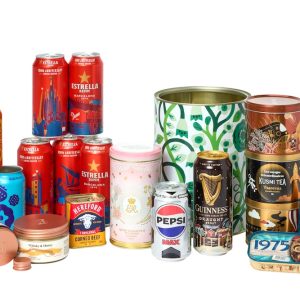
Everything not under a glass screen was free to pick up and examine, which was a delight. I always find it mesmerising being able to physically touch the past. On display were an array of tinned food items, from powdered eggs (in the darker rusty brown cylinder to the left in the photo above) to throat lozenges, marmite cubes and cocoa, as well as general line cans for boot polish and grease, and even one tin (black, bottom centre in the photo) containing an enema, which the volunteer showed me with a laugh – I steered clear of touching that one, don’t worry!
Despite the humour, all this and the rest of the items on display (newspapers, darned clothes, children’s’ toys and packs of cards) offered a poignant glimpse into fairly recent history. Coventry’s relationship to the Blitz was a tough one – the air raid on Coventry on the night of 14 November 1940 was the single most concentrated attack on a British city in the Second World War.* The devastation was so massive that Nazi propagandists coined the phrase ‘coventrieren’ after the raid, which meant ‘to raze a city to the ground’.
The Blitz Museum is located in the corner of Coventry Cathedral ruins, which in itself shows both the level of destruction to the city on a microcosmic level, and the resilience of its people to rebuild, yet remember.
My visit was part of a whole weekend interacting with history and heritage; this museum visit followed a stay at the nearby Coombe Abbey Hotel for a medieval-style banquet and entertainment the night before; watching the beginning of the October Plenty procession (which incorporates ancient English seasonal customs and celebrates the autumn harvest); and visiting St Mary’s Guildhall to see the over-500-year-old Coventry Tapestry.
Even to someone who is not so obsessed with the past as I am, it’s hard to deny the marvel of items that have withstood the test of time, especially those that have seen war and destruction. They all tell important stories. Metal continues to play its part in this, while also representing the future of packaging innovation.
Alex Rivers (she/her), CanTech International editor
Keep in touch via email: [email protected], LinkedIn: CanTech International magazine or X: @CanTechIntl