Beverage diversification and the implications for can makers

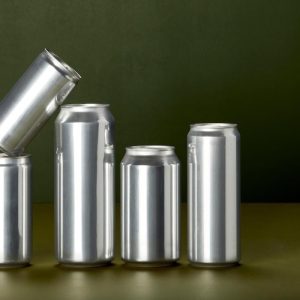
In response to increasing beverage diversification, can makers are seeking ways to get more from their existing production lines. Image: Parilov-stock.adobe.com
Beverage manufacturers are currently navigating various converging challenges. While they face the same obstacles as the wider manufacturing industry – crunching margins, a skilled labour shortage, supply chain disruptions and the challenges that come with integrating new technologies – they must also manage the complexities that arise from particularly rapid product development cycles.
New beverage variations are rolled out much faster than a decade ago, with thousands of products entering the market every year. This diversification is a reflection of evolving consumer demand, as customers increasingly seek healthier, trendier and more convenient alternatives. It’s the agile manufacturers – those continuously adapting to this pace of change – that will have the greatest chance of capitalising on new market opportunities. These quickly expanding product portfolios have direct implications for can makers: pressures to grow product ranges and produce more SKUs are generating complexity and conflicting with sustainability efforts.
From high volume to high variety
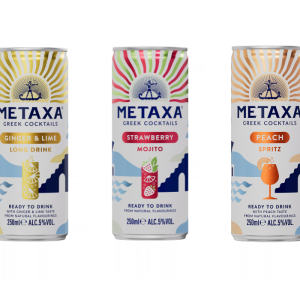
There are now thousands of individual drink variations globally; from ready-to-drink (RTD) pre-mixed alcoholic beverages and low alcohol alternatives, all the way to health-conscious soft drinks with added vitamins, proteins and minerals. This variety has triggered the introduction of new can sizes, materials, processes and forms, for example ‘skinny’ cans for soft drinks like energy drinks, ‘miniature’ 125ml forms for RTD cocktails, and 150ml versions of soft drinks for portion control and premium mixing. These offer greater variety and convenience beyond standard UK sizing (330ml for soft drinks, and both 440ml and 568ml for beer and cider).
The more variants that are introduced, the bigger the risk of complications across production processes, putting manufacturing performance on the line. Complexity can lead to disruptions and delays, and generate waste. For instance, increasing SKUs requires factory operations to allow for more frequent changeovers, which also incurs more downtime, and reduces Overall Equipment Effectiveness (OEE). Diversification requires robust yet agile operations – and flexible production lines that can switch between diameters and heights with minimal downtime.
Aligning sustainability with proliferating SKUs
A further and important consideration for can makers is sustainability. Consumer buying habits combined with a growing list of regulations (primarily, the UK government’s net zero emissions target for 2050) are increasingly driving sustainability efforts, and can makers are being tasked with creating sustainable products while reducing waste and limiting energy and water consumption.
An example of such efforts is ‘lightweighting’ whereby cans are made thinner to reduce aluminium or steel usage. The objective is to limit the material used throughout a cans production without compromising its strength and durability. However, Lineview’s Global Benchmark Report 2025 found that up to a third of total losses on can lines result from issues occurring between depalletisers and fillers, which is likely due to the increased fragility of lightweight can variants. This increases waste as a result, hindering sustainability efforts.
Lightweighting also presents further manufacturing challenges as production lines and seamers must be adjusted to accommodate new can weights. When new SKUs or processes are introduced, they can interrupt the flow of a product across the factory. Even the smallest issue can have a cumulative impact on productivity leading to wasted materials and resources. For example, a small jam could significantly delay a production run, impacting timely order fulfilments and incurring additional costs. The same benchmark report from Lineview also found that minor stops (34 per cent), planned downtime (30 per cent), and breakdown (28 per cent) were the biggest causes of production time lost in can making.
Increasing gains while reducing waste throughout production
In response to increasing beverage diversification, can makers are seeking ways to get more from their existing production lines. By optimising processes, equipment and workflows, can makers can eliminate the need for installing entirely new lines – a process that would be extremely costly, resource intensive and disruptive to operations. Optimising existing lines improves productivity, saves costs and reduces waste as well as creating a more agile environment that can handle a proliferating array of new products, packaging and processes.
Crucial to this is gaining a live and historical view of line performance across production facilities. Real-time insights are imperative for monitoring the health of production lines. For example, production line data could indicate that a lean assembly line has been experiencing continuous minor stops which have accumulated to cause severe performance losses and significant productivity gaps. By identifying the root causes of these stops, factory teams are able to unlock hidden productivity in their existing lines. This data supports a shift from reactive firefighting to predictive and proactive execution, creating much more agile operations that support high variety lines.
Another instance where optimisation is crucial is for limited edition beverage runs. Limited releases typically mean smaller can orders, forcing can makers into more frequent changeovers to adjust printing plates or can sizes. Frequent changeovers can be costly due to the increased risk of downtime. However, factory teams equipped with the right data can significantly accelerate changeovers from hours to minutes to implement lean manufacturing methodologies like SMED (Single Minute Exchange of Die). This splits tasks into those that are completed while machines are stopped versus while they are running, allowing factory teams to streamline and automate changeover processes.
Production line visibility helps factory teams act faster when issues arise and unlock capacity they would have otherwise missed. Small issues can have a huge impact across plants – equally, though, small improvements can drive significant gains. If a business has 50 production lines running at 50 per cent OEE, a ten per cent improvement in their OEE score would unlock the equivalent of five production lines of capacity, for free. This would also help businesses improve sustainability efforts by reducing waste and using resources more responsibly.
Future-proofing production across diverse environments
Beverage diversification will continue to introduce new materials, processes and innovations into the can making industry – particularly with the advent of new technologies such as artificial intelligence. Can makers that prioritise optimisation will be able to unlock savings through the guided use of real-time data, gaining a competitive advantage. But these improvements won’t happen overnight. Factory teams will need regular training on how to use live data and new technologies to take the right course of action. Ongoing collaboration and accountability across all levels, from the board room to the factory floor, will be instrumental in transforming data insights and actionable guidance into a demonstrable return on investment.
Lineview is a guided manufacturing intelligence partner for beverage producers. For more information, visit: lineview.com
Topics
beverage diversification beverage packaging lightweighting RTD beverages
PeopleOrganisationsRegions