ALFED launches Reindustrialising UK Aluminium white paper
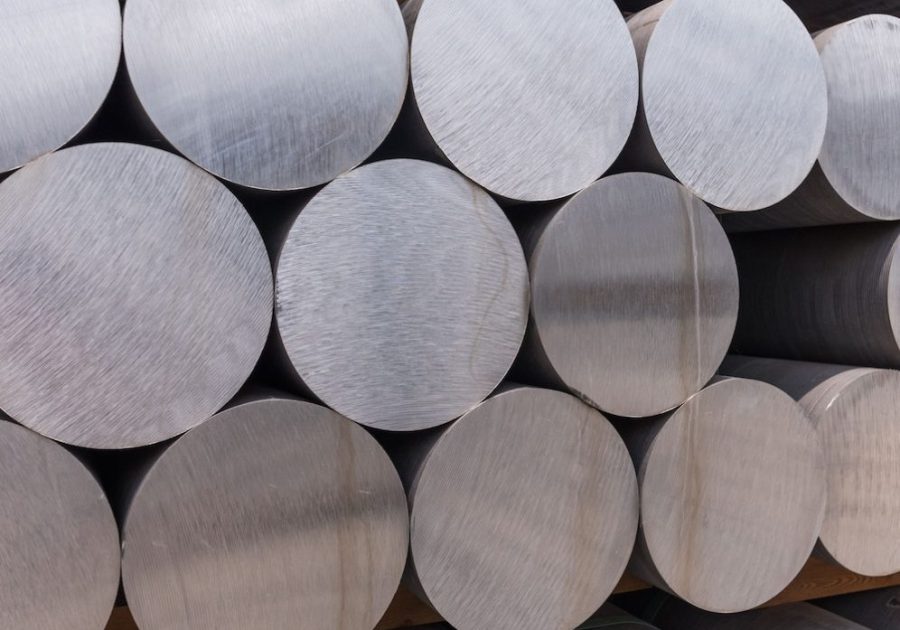
Image: ALFED
The Aluminium Federation (ALFED) has launched its new white paper, Reindustrialising UK Aluminium, at UK Metals Expo 2026, calling on the UK government to work with industry to strengthen domestic manufacturing capability, improve industrial competitiveness and unlock commercially viable investment across the aluminium value chain.
Released during the UK’s leading event for the metals supply chain at the NEC
Birmingham, the report forms part of ALFED’s Make More of UK Aluminium campaign and argues that Britain already possesses a substantial aluminium industrial base, but faces structural challenges that risk limiting its future growth.
The report brings together updated economic modelling, evidence of changes in UK industrial capability and material-flow research undertaken with Cranfield University.
According to ALFED’s refreshed 2026 economic model, the UK aluminium industry directly contributes approximately £3.78 billion in Gross Value Added (GVA) and supports 54,200 full -time -equivalent jobs.
Including indirect UK supply -chain effects, the estimated footprint rises to £5.97 billion in GVA and 81,900 jobs.
The findings highlight aluminium’s role in supporting strategic industries including automotive, aerospace, defence, construction, clean energy, infrastructure and advanced manufacturing.
A practical case for reindustrialisation
Launching the report at UK Metals Expo provides an opportunity to bring together stakeholders from across the metals supply chain to discuss how Britain can retain more industrial value and strengthen domestic manufacturing capability.
The report examines the impact of industrial contraction across parts of the UK
aluminium sector, alongside ongoing challenges relating to energy costs, processing capacity, international trade and investment conditions.
It argues that the opportunity is not to recreate every historical production activity or pursue self – sufficiency, but to strengthen existing industrial capabilities and identify where commercially viable investment can deliver greater value for the UK economy.
ALFED is calling for action across five priority areas:
- Competitive industrial energy – Address effective energy costs, grid access
and infrastructure barriers affecting UK aluminium businesses. - Circularity and resource value – Improve understanding of scrap quality, material flows and opportunities for higher -value domestic processing.
- Connected manufacturing capability – Identify strategic gaps and viable investment opportunities across recycling, remelting, processing, extrusion, finishing and manufacturing.
- Trade and carbon policy – Ensure trade agreements, carbon pricing, CBAM and market -access decisions are considered together, with industry consulted at an early stage.
- Strategic resilience and procurement – Strengthen links between UK aluminium capability and the requirements of defence, infrastructure, clean energy and other strategic markets.
From industrial ambition to measurable delivery
The report proposes a closer Government –industry partnership to translate these priorities into practical outcomes.
ALFED is calling for a coordinated approach across relevant Government departments, including a clearer evidence base on existing industrial capabilities, a confidential pipeline of commercially viable investment opportunities and annual monitoring of progress.
The Federation also highlights the need to assess how decisions affecting one part of the aluminium value chain can have unintended consequences elsewhere, particularly in relation to trade, carbon policy, scrap flows and downstream manufacturing.
Nadine Bloxsome, chief executive of the Aluminium Federation, said: “Britain does not need to build an aluminium industry from scratch. We already have a
significant industrial base, skilled people and businesses supporting some of the UK’s most important manufacturing sectors.
“But recognition of aluminium’s strategic importance is only the starting point. If we want to retain more industrial value and attract future investment, we must address the practical barriers affecting competitiveness.
“That means tackling energy costs, strengthening the connections between recycling and manufacturing, and ensuring Government decisions on trade, carbon and industrial policy work together rather than in isolation.
“Our message is straightforward: make the UK a place where commercially viable aluminium businesses can invest, compete and grow.
“We are ready to work with Government to turn that ambition into measurable
progress.”
Aluminium’s role in the UK’s industrial future
The white paper draws on Government recognition of aluminium as a critical and growth mineral, alongside demand modelling associated with the UK’s Industrial Strategy growth sectors.
It also incorporates research undertaken with Cranfield University to develop a clearer understanding of UK aluminium material flows, including the relationship between scrap recovery, recycling, processing, manufacturing and international trade.
ALFED argues that improved evidence, stronger industrial coordination and a more competitive investment environment will be essential if the UK is to capture more economic value from aluminium in the years ahead.
The launch of Reindustrialising UK Aluminium at UK Metals Expo 2026 reinforces the importance of collaboration across the metals supply chain and provides a platform for industry and policymakers to engage on the practical steps needed to strengthen the UK’s aluminium sector for the future.
Reindustrialising UK Aluminium is available to download at:
alfed.org.uk/reindustrialising -uk-aluminium.