Energy drinks ban for under 16s in England divides opinion
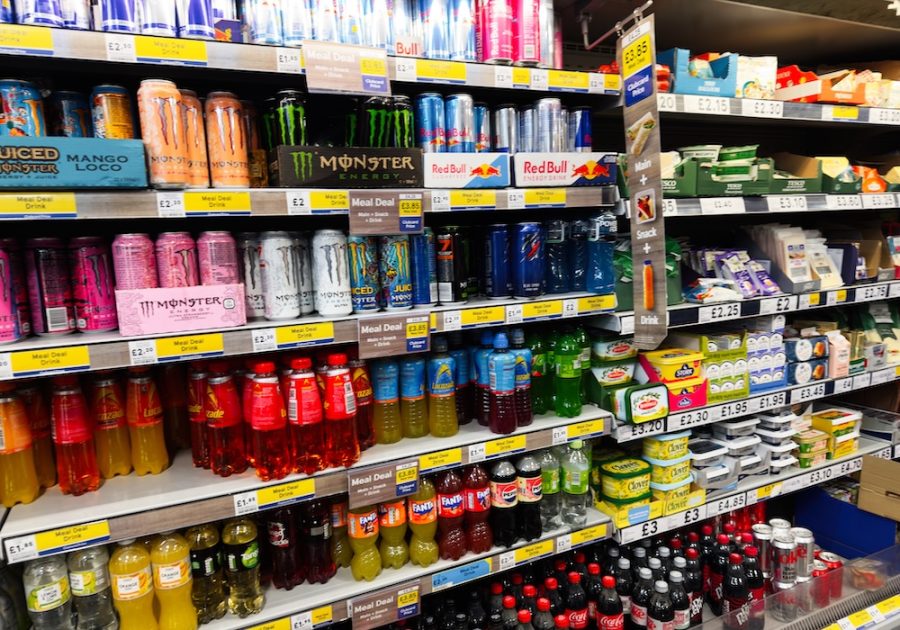
Energy drinks in a Tesco supermarket in Manchester, UK - 26 September 2025. Image: AS Photo Family/stock.adobe.com
In a bid to protect children’s health, the UK Government has announced that from April 2027, energy drinks will be banned for under 16s in England.
The legislation will apply to drinks, (not including tea or coffee), containing more than 150mg of caffeine per litre. It will cover sales in all retail settings, including shops, vending machines and websites and online.
This reportedly comes after a consultation that received nearly 1,100 responses from businesses, public health organisations, enforcement bodies and members of the public, showing strong support for the introduction of an age restriction.
Protecting children’s wellbeing and development is at the forefront of the ban; it’s estimated that around 100,000 children in England drink energy drinks high in caffeine every day, with negative impacts seen through their education, physical and mental health.
Public Health minister, Sharon Hodgson, said: “High-caffeine energy drinks have no place in children’s hands. We know thousands of kids in England consume them daily but the evidence is clear that this can cause anxiety, affect their sleep and concentration and can have a detrimental impact on their education.
“This ban will reduce children’s opportunity to buy drinks that are harmful to their health and wellbeing, and demonstrates our firm commitment to creating the healthiest generation of children ever.”
I can remember a huge part of my teenage years where canned energy drinks seemed all the rage and were perhaps thought to enhance concentration during long afternoons at school; lunchtimes were spent walking to the ‘corner shop’ to buy the drinks and snacks to fuel us for the rest of the day. It’s been a long time since that era of my life, but perhaps my childhood wasn’t so far removed from this younger generation’s.
Retailers themselves will be responsible for ensuring the energy drinks are not sold to under 16s after April 2027, while local authorities will enforce the ban. Businesses that break the law face fines of up to £2,500.
This move is certainly backed by many businesses and of course we’re all for safeguarding children’s health, but the counter argument is that it could be incredibly detrimental to energy drinks brands going forward, and therefore impacting beverage can orders. Major brands in this space such as Monster, Red Bull, Relentless and Prime will all be affected.
A spokesperson for the British Soft Drinks Association (BDSA) – which has members including Sneak Energy and and Rockstar Energy – said: “BSDA members have led the way in responsible retailing through the Association’s long-standing voluntary Code of Practice. Since 2010, our members have committed not to market or promote the sale of energy drinks to under-16s, and all high-caffeine beverages carry a ‘not recommended for children’ label. The available evidence shows that the vast majority of caffeine consumed by children and adolescents comes from sources other than energy drinks.
“The UK Government’s decision to introduce legislation restricting the sale of energy drinks to under-16s in England is unnecessary – and not supported by robust evidence of overconsumption or harm, as the consultation response itself acknowledges.”
The Fed (Federation of Independent Retailers) expressed a similar stance: Fed national president Hemanshu Patel commented: “Many of our members already institute a voluntary ban on the sale of high-caffeine energy drinks for under-16s. Now that the full legal ban is in place, we urge DHSC and the Government to fully engage with members on this, as we do in other areas of regulation on their sales. This is something that the Scottish Government previously consulted on but opted instead for a self-regulatory approach, which has merits.
“This remains a challenging time for independent retailers, both because of rising costs, but also because of unprecedented regulatory change which imposes a big compliance challenge on our members and their staff. We will be communicating with members in England ahead of the April change and monitoring the ban once it takes effect in Spring next year,” his statement concluded.
What about consumer views? Well, research conducted in 2025 by GWI found that, while people aged 16 to 24 said the ban would affect their inclination to reach for the energy drinks, the majority of older adults surveyed said the ban wouldn’t affect theirs. Many responses said the decision for children under 16 to have energy drinks should lie with the parents – who of course will still be able to purchase the beverages for potential consumption by their children at home.
So, the demand may still stay the same, but we could just see a rise in at-home consumption by children. It will depend on many factors. Time will tell.
Let us know your thoughts on the ban by commenting below, or by emailing me directly.
Alex Rivers (she/her), CanTech International editor
Keep in touch via email: [email protected], LinkedIn: CanTech International magazine or X: @CanTechIntl