Heating up
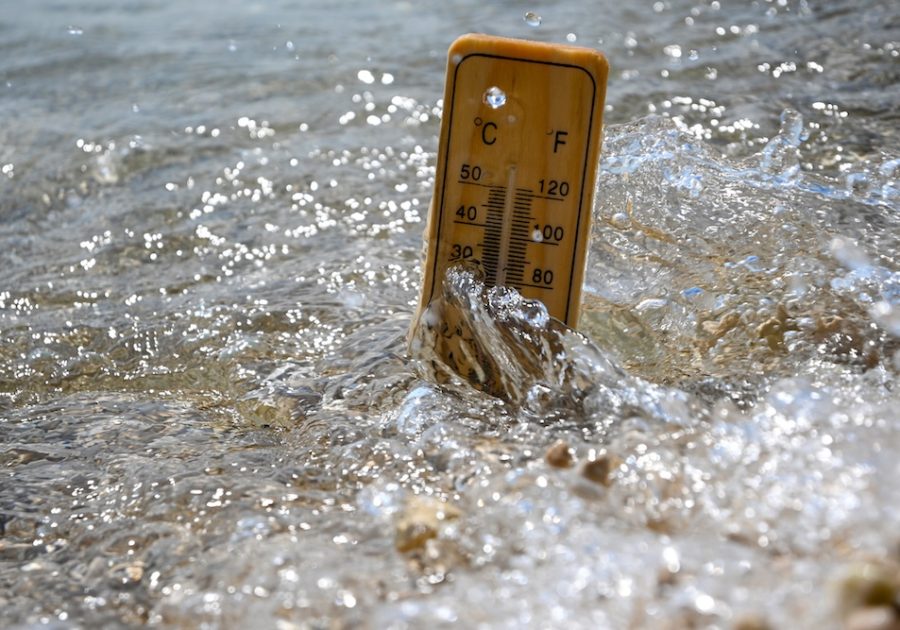
Image: juraj/stock.adobe.com
Already thought the world was burning? Well, the World Meteorological Organization (WMO) has warned of an extreme El Niño that could last until February 2027, presenting the strongest record of the weather phenomenon in 70 years.
El Niño is typically declared when sea temperatures rise 0.5°C above the long-term average.
The widely used Niño 3.4 index, which measures sea surface temperature anomalies in central-eastern equatorial Pacific, has strengthened markedly, the WMO says, from an average +1.5 °C above normal during May-July 2026 and +2.0 °C above normal in July. Weekly values subsequently increased further between late July and mid-August, ranging from approximately +2.2 °C to +2.6 °C above average.
In some areas, subsurface ocean temperatures were more than a staggering 8°C above average during July and early August.
“El Niño is being supersized before our eyes. The science leaves no room for doubt: the planet is in uncharted waters, and those waters are heating up. Sea surface temperatures are rising, temperatures keep climbing, and the world is in the danger zone of extreme weather. The race now is between rising risks and our commitment to take climate action and protect people. We must win that race,” said UN secretary-general, António Guterres.
It’s perhaps ironic that El Niño translates to ‘the little boy’: while it’s true that El Niño by itself is a natural phenomenon and not produced by climate change, the two combined could be an alarmingly large problem.
It feels like we’ve had many, many wakeup calls this year alone in terms of climate change, and the time has come to act, not just listen. It’s easy for your average Joe to think ‘but how can I help?’ but it’s the job of leaders around the world to educate and pave the way for a safer future.
With World Packaging Day around the corner too, let’s keep pushing for more sustainable practices up and down supply chains, continue innovating to save resources and material use, and emphasise the vision of a truly circular economy.