Where innovation, sustainability and consumer experience meet: packaging trends in 2026
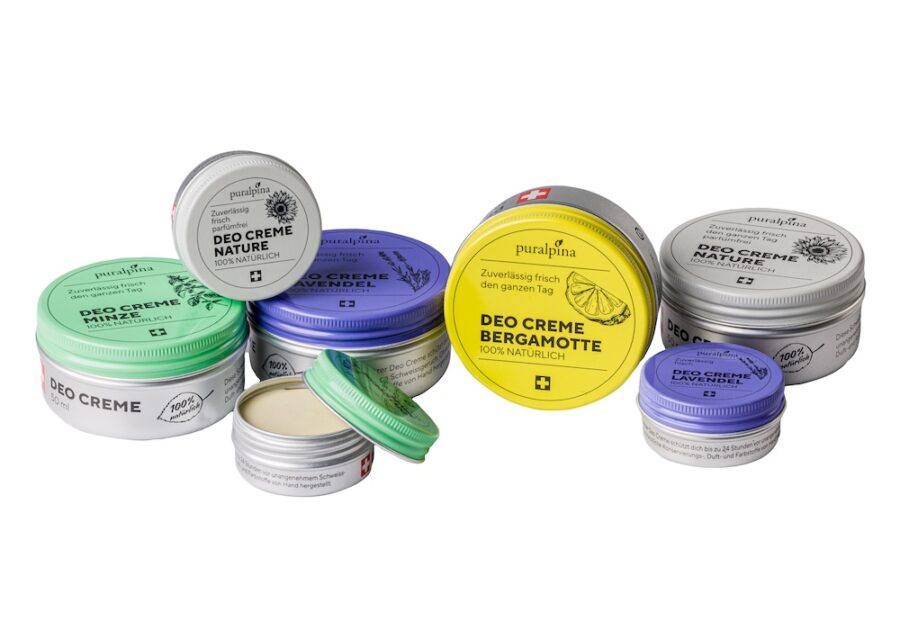
Roberts' aluminium jars for Puralpina’s 100% natural Deo Crème
As we look ahead to 2026, the packaging industry stands at a crossroads of innovation, sustainability, and consumer experience. Manufacturers now face the challenge of delivering packaging solutions that not only meet but exceed the expectations of today’s – and tomorrow’s – market. This is no mean feat.
Minimalist design and high-end cosmetics
Minimalism is more than a design trend; it’s a philosophy that speaks to clarity, quality, and authenticity – a direction clearly evidenced in this year’s Dieline and Pentawards. Nowhere is this more apparent than in high-end cosmetics, where packaging must reflect the premium nature of the product inside.
Roberts Metal Packaging‘s recent collaboration with Marc Jacobs on the Daisy Drops aluminium container, winner of Metal Pack of the Year at the UK Packaging Awards 2024, is a testament to this approach and a signal that this trend is gaining momentum.
The handbag-sized tins, crafted from our Softline range, combine clean lines, smooth radii, and subtle knurling for grip, all while maintaining a visually striking yet understated aesthetic. The result is packaging that not only protects and preserves but also elevates the brand’s identity – on the shelf and in the hand.
Similarly, our work with Puralpina, showcased at Luxe Pack Monaco 2025, demonstrates how minimalist design can be harmonised with functionality and sustainability. The aluminium jars (pictured above) for Puralpina’s 100% natural Deo Crème range feature a clean, natural finish that aligns with the brand’s ethos, while the use of BPANI internal lacquer ensures product stability and longevity.
Sustainability and circular packaging: the aluminium advantage
Sustainability is no longer optional; it’s a fundamental requirement for packaging buyers and brands alike. Many of this year’s award-winning entries in the Pentawards chose a single packaging material for easier recycling.
Aluminium stands out as a material of choice for the circular economy. As we know, it is a ‘permanently available material’, meaning it can be recycled endlessly without any loss of quality. This is not just a marketing claim; it’s a scientific fact that underpins our commitment to environmental responsibility.
The latest industry figures show that aluminium recycling rates in Europe are now above 75%. Every jar or lid we produce can be returned to the production cycle, supporting long-term environmental goals and reducing the need for virgin material.
Our projects with brands like Puralpina highlight how aluminium packaging can deliver on both sustainability and design. For Puralpina, the choice of aluminium was integral to their eco-credentials, while for Daisy Drops by Marc Jacobs, our recyclable jars were recognised for their optimal blend of design, functionality, and environmental impact.
Experiential unboxing: tactility and decorative effects
The unboxing experience is becoming a highly important part of packaging, significantly influencing customer perception, brand loyalty, and future purchasing behaviours. Customers share innovative and exclusive experiences online, making every delivery an opportunity to showcase your brand through user-generated content and unboxing videos.
In an age where unboxing is part of the product experience, metal packaging offers unique opportunities for brands to connect with consumers. The tactile qualities of aluminium – its cool touch, weight, and the potential for decorative effects such as embossing and debossing – create a memorable first impression.
At recent trade shows like Packaging Innovations and Luxe Pack Monaco, we’ve showcased our capabilities in delivering packaging that is not only visually appealing but also engaging to the senses – a recent example is our collaboration with Benefit Cosmetics.
The cosmetics brand is a master of storytelling through packaging, seamlessly blending narrative and experience into every product launch. For the POREfessional skincare range, Benefit worked closely with us to create aluminium jars that do more than just contain – they captivate.
The litho-printed lids and bases, bold typography, and vibrant colour combinations are designed to stand out both on the shelf and in the customer’s hand, making the unboxing a tactile and memorable event. The distinctive circular pattern reminiscent of the very skin pores consumers are looking to care for.
Every detail, from the smooth radii and knurled lids to the dual-liner system for freshness and tamper evidence, is crafted to reinforce the brand’s playful, high-performance ethos. This approach transforms packaging into a key part of the Benefit story, ensuring that each interaction is as engaging as the product itself.
Similarly, our partnerships with specialist companies in the UK enable us to push the boundaries of what’s possible, from intricate embossing to custom liners that enhance both functionality and feel. Whether it’s a luxury cosmetic jar or a travel-sized perfume tin, the unboxing moment becomes an extension of the brand story.
Looking ahead
As we approach 2026, it’s clear that no single trend can be addressed in isolation. Minimalist design, sustainability, and experiential packaging are not competing priorities, they are interdependent pillars of packaging that is fit for purpose.
To meet the evolving expectations of consumers and brands, the industry must embrace all three. Only by combining thoughtful design, responsible material choices like aluminium, and engaging, tactile experiences can we create packaging that performs, delights, and endures.
This holistic approach is not just good business, it’s essential to building a truly circular packaging economy. Let’s rise to the challenge together.
Chris Saunders, Roberts Metal Packaging managing director