Meet your CanTech the Grand Tour 2025 keynotes

Image: Gerald Villena/stock.adobe.com
CanTech the Grand Tour’s 2025 conference will run from 1 to 2 April 2025. Joining us as keynote speakers are Krassimira Kazashka, CEO for Metal Packaging Europe, Jason Galley, director and chief executive of the Metal Packaging Manufacturers Assocation, and Richard Lézé, president of Steel for Packaging Europe. Alex Rivers spoke to all three about their upcoming participation in Brussels.
Could you offer a brief summary of what your presentations will cover?
Kazashka
During my presentation, I will discuss the state of play of the EU Green Deal and competitiveness of metal packaging.
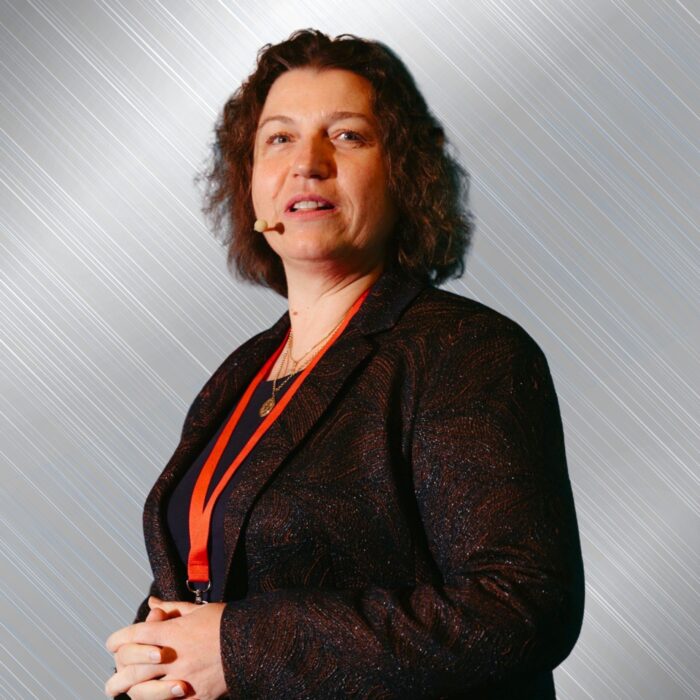
Krassimira Kazashka. Image: MPE
Within the Green Deal, we are talking mainly about the Packaging and Packaging Waste Regulation (PPWR), the Ecodesign for Sustainable Products Regulation (ESPR), and the Carbon Border Adjustment Mechanism. I will highlight key legislative elements that are relevant and crucial for metal packaging.
I will also touch on the recent EU regulation on the use of BPA in food contact materials, before moving on to a couple of critical trade issues. We are also looking into a new upcoming Clean Industrial Deal and Circular Economy Act in Europe. These initiatives from the Commission will shape sustainable packaging requirements, trade environments and market spaces.
Galley
I will explain how joined-up thinking and collaboration is critical if we are to realise a true circular economy.
Providing a UK perspective, I’ll highlight how it’s essential for European audiences to pay close attention to the potential impact of UK packaging reforms in their current format. The UK metal packaging sector is under serious pressure, with the effects to be felt across the European packaging eco-system.
Diving into packaging Extended Producer Responsibility (pEPR) and the Deposit Return Scheme (DRS), I will outline how disconnected thinking within the UK could create significant market distortion, disadvantaging steel and aluminium which is likely to drive brands towards using less recycled materials such as plastic and fibre-based cartons. The result? Unintended behaviours that will contradict circular economy objectives.
Lézé
My presentation will be titled: Stronger, Safer, Smarter: opportunities for a steel-driven future.
Today, can makers are at the forefront of one of the most reliable, sustainable and innovative packaging sectors in the world. Steel cans are not just a container; they are a technological and environmental success story.
During my presentation, I will explore how steel packaging is evolving in strength, safety, and in line with sustainable legislation and how this offers can makers new opportunities to enhance performance, sustainability and market appeal.
Richard, what upcoming European regulations affect steel specifically?
Lézé
PPWR, as already mentioned by Krassimira, was adopted by the European Parliament and confirmed by the Council of the EU last year. Businesses need to comply by mid-2026. In the coming months, this regulatory focus and the establishment of design for recycling criteria, applicable to all packaging as well as the introduction of a performance grading system with clear criteria, will shape new norms for packaging recyclability and ultimately drive any material that is less than 80 per cent recyclable from the market. Steel packaging, with all formats graded A or B, already demonstrates a superior performance compared to other packaging formats such as many plastics and laminated cartons.
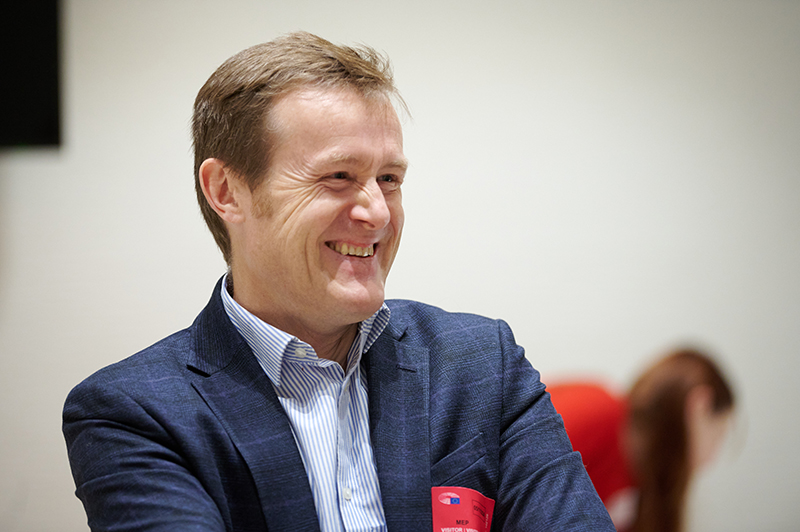
Richard Lézé. Image: SfPE
A new EU Circular Economy Act to unify circular economy policies and prioritise sustainable access to critical raw materials has been pushed back to 2026. But the EU’s Clean Industrial Deal, a multi-year plan to boost the EU’s traditional energy-intensive industries and emerging clean technology sectors, is to be revealed at the end of this February.
Steel for Packaging Europe backs the call to implement robust EU policies that will establish a level playing field between EU manufacturers and imported steel, benefiting stakeholders across the value chain. A notable example is the Chromium- Free Passivation Alternative (CFPA), unique to Steel for Packaging Europe members, which will help to uphold the highest standards of human health, environmental responsibility and regulatory compliance in European manufacturing.
Commercially available now, CFPA marks a major milestone in sustainable materials innovation for the steel packaging industry and aligns with the expected goals of the Clean Industrial Deal. Steel for Packaging Europe continues to advise all supply chain partners to swiftly adopt CFPA to facilitate a seamless transition away from chromium VI passivated material before the end of 2027.
Touching on the competitiveness of metal packaging, product innovation is often considered part of this. What metal packaging innovations have impressed you, Krassimira?
Kazashka
Producers of aluminium beverage cans are continuously innovating in terms of the look, feel and appeal of the package to the target audience, but one of the biggest breakthroughs in recent years has been the creation of resealable closures. Functionality is always an important consideration when it comes to convenience, and the possibility of resealing a beverage can has heightened the on-the-go consumer experience, in my opinion.
Steel packaging is actively developing solutions as well. The easy open end has been a groundbreaking innovation and there are continuous improvements.
There have also been improvements in recent years on the steel closures on metal jars, with companies developing more user-friendly options.
Re-use remains a major challenge, although reusable aluminium and steel bottles are already ont the market. Today, you’re not able to re-use a standard beverage or food can, and that’s why we have to continue championing the infinite recyclability of metal packaging.
How do your professional backgrounds inform the work you’re currently undertaking?
Galley
I have over 30 years’ experience in sustainability, manufacturing and innovation roles across global metal packaging organisations. I actually began my career as a metallurgist at Carnaud Metal Box (now Crown), moving on to senior positions at companies including American National Can, Alcan Packaging, Aerocan and Ball Corporation.
Now in my role as director and chief executive at MPMA, I’m responsible for championing the unique sustainability and economic benefits of metal packaging while demonstrating its role in the circular economy and food security. The MPMA represents 22 metal packaging companies, in a £4bn sector employing nearly 5,000 people across 47 factories. As the recognised, unified voice of metal packaging in a time of major UK policy reform, it’s vital MPMA is actively engaging with government and other key stakeholders to ensure the sustainability and performance credentials of our sector are understood and valued.
Lézé
The year 2024 marked exactly 30 years for me in the steel industry with ArcelorMittal, Arcelor and Usinor before that.
I have held a variety of roles in service centres, sales, finance and plant management, across different market segments and export business areas. For example, I was based in the UK for three years as plant manager and worked for three years from Moscow as business area manager for Russia, Ukraine and Belarus.
Since May 2021, I have worked for ArcelorMittal Europe – Flat Products, based in Paris, as chief marketing officer, Packaging Europe, as well as covering automotive export and tiers. I believe this gives me technical expertise, a wide view of the market, and allows me to understand the challenges that a variety of evolving demands place upon steel packaging, as we seek to reinforce its position as a circular and sustainable packaging solution.
Kazashka
My career has been a progression from a chemical engineer to a businesswoman. I’ve worked for the national government in EU Member State, Bulgaria, had experience in the European Commission and a private international business.
After that, I moved to an association, and I’ve been working in associations for the past 15 years. Working in an association is extremely dynamic, and is one of the many reasons I love my job. It sees me talking to government and policymakers and promoting metal packaging, facilitating a favourable legal environment that allows our industry to remain competitive, grow and innovate.
How do each of you view the value of industry collaboration?
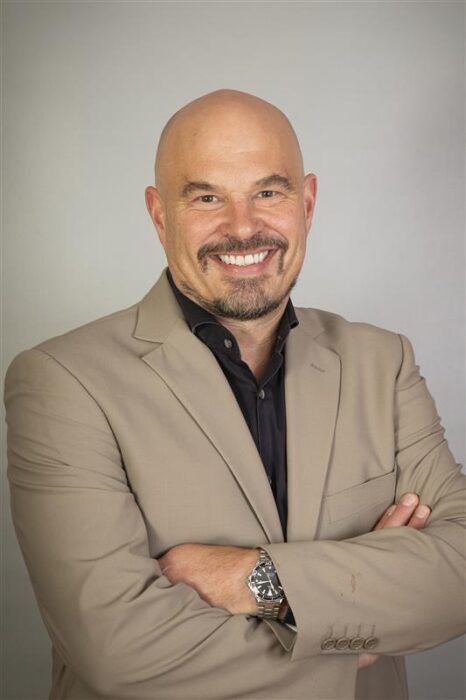
Jason Galley. Image: MPMA
Galley
If we are to improve recycling rates and drive decarbonisation, then partnership and shared insights are vital to the creation of considered circular economy frameworks that harness metal’s Permanent Material status.
Lézé
The European steel industry has been working for many years now towards a carbon-neutral future, making substantial investments in pioneering breakthrough technologies, enhancing process efficiency, and increasing scrap availability. Key partnerships are already being established to accelerate the transformation required for a sustainable transition.
An integrated policy approach is essential to achieving these goals. As a member of the
Permanent Materials Alliance, Steel for Packaging Europe fully supports the European Council’s vision of making the EU the first climate-neutral continent. However, this ambition can only be realised if circularity and resource efficiency become top policy priorities.
Reducing Europe’s reliance on primary raw materials, ensuring material sufficiency, and expanding collection and sorting infrastructure are vital steps toward climate neutrality. Steel, alongside other permanent materials, will play a crucial role in building a more sustainable, resource-efficient future.
Kazashka
As an industry, we have many challenges going forward and we cannot solve them alone. We need to work together with our suppliers and with our customers to make sure that metal actually remains a sustainable and preferred packaging solution.
Topics
CanTech the Grand Tour CanTech the Grand Tour 2025 Industry events keynote speakers
PeopleAlex Rivers Jason Galley Krassimira Kazashka Richard Lézé
Organisationsmetal packaging europe Metal Packaging Manufacturers Assocation Steel for Packaging Europe
Regions