
Light as a feather

Image: Yuliia-stock.adobe.com
CanTech explores the latest in can reduction efforts.
Can bodies have come a long way over the past few decades. According to the Metal Packaging Manufacturers Association (MPMA), the weight of steel and aluminium cans has been reduced by approximately a third, thanks to innovative developments in the industry.
Lightweighting continues to represent a key aspect for can manufacturers in pathways to reducing carbon emissions and leading the charge in the future of circular economy.
One of Crown’s sustainability goals for 2030 is to “reduce packaging material use by making our aluminium and steel cans ten per cent lighter in weight.” In 2022, the company celebrated a four per cent global average reduction (achieved in 2021) in its standard 12oz (330ml) can weight, achieved, as the company stated, “after several years of intensive development efforts by our R&D and customer technical services teams.”
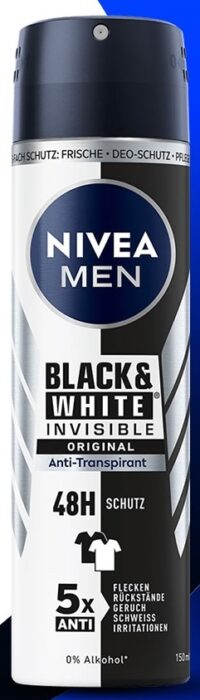
CanTech the Grand Tour’s winning Ball/Beiersdorf lightweight Nivea aerosol can. Image: Ball Corporation
Ball Corporation is also a leading player in lightweighting efforts. The winning aerosol can from the CanTech the Grand Tour Awards in Brussels earlier this year was created by Ball with Germany-headquartered personal care giant, Beiersdorf. Not only was the recycled content of this Nivea-branded can increased from 50 to 100 per cent (using Ball’s ReAl Gen 2 alloy), Ball also enabled maximum lightweighting through impact-extruded technology.
Weight optimisation also “represents a major contribution to our 2030 resource efficiency goals,” the company commented. It has also been working with Danish multinational brewer, Carlsberg, over the past few years to cut the weight of Carlsberg’s most common can formats (33cl and 50cl) by around five per cent in more than ten European markets. “This lightweighting is shrinking our value chain carbon footprint by around 5,000 tonnes per year,” Carlsberg said in a statement.
More recently, Toyo Seikan is celebrating being recognised, along with Coca-Cola Japan, with a Kinoshita Award for achievement in lightweighting. The Coca-Cola 185g Georgia 1- brand coffee can won in the research and development category in the award hosted by the Japan Packaging Technology Association.
The Kinoshita Award was established by the Japan Packaging Institute in commemoration of the late Kinoshita Matasaburo, who was the second president of the association, for his long-standing contributions to the packaging industry.
The award is presented annually to individuals or organisations in three categories: (a) outstanding achievements in packaging research and development, (b) outstanding achievements in packaging improvement and rationalisation, and (c) outstanding achievements in creating new fields in packaging.
Toyo Seikan and Coca-Cola have been working for many years to reduce the weight of their beverage containers. Since August 2024, the aluminium beverage cans used for Georgia-brand products have used Toyo Seikan’s Compression Bottom Reform (CBR) technology to increase bottom pressure resistance.
The CBR technology allows both high can bottom compression strength and light-weight designs, surpassing traditional can manufacturing techniques. The use of the technology during manufacture of the Georgia-1 cans has reduced materials usage by 13 per cent compared to conventional 185g aluminium beverage cans, reducing the weight of the can body from 7.0g to 6.1g while maintaining the same internal pressure resistance despite the thinner aluminium – a crucial consideration for any lightweighting endeavour.
The Japan-headquartered company commented regarding the award win: “We will continue to contribute to environmental sustainability and the realisation of a sustainable society through the development and provision of these products and services.”
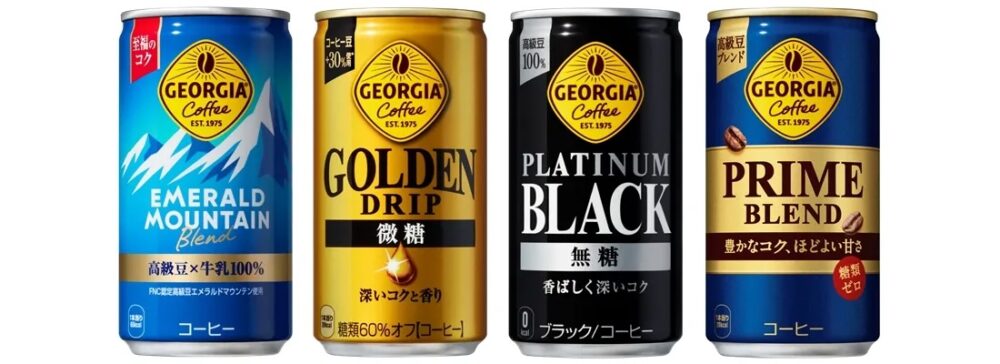
The Coca-Cola 185g Georgia 1- brand coffee. Image: Toyo Seikan
TopicsPeopleOrganisations
ball corporation CanTech The Grand Tour carlsberg coca cola Crown Cork Japan Packaging Technology Association Kinoshita Award Metal Packaging Manufacturers Association (MPMA) Toyo Seikan
