Smarter shapes, stronger cans

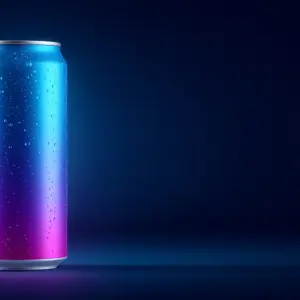
Across water, RTD cocktails and functional beverages, customers are increasingly seeking premium aesthetics and full-body shaping. Image: Trivium
How are premium spirits, RTDs and energy drinks influencing demand for non-standard can shapes?
Premium beverage categories – especially RTDs, high-strength premixes, enhanced waters and energy drinks – continue to prioritise differentiation and shelf impact. Trivium’s shaping expertise is increasingly relevant here: our advanced techniques create “endless possibilities for custom bottle shaping to create truly sustainable beverage packaging that stands apart in a highly competitive category.”
RTD and energy segments trend toward sleeker, more premium aesthetics – driving demand for custom shaping, tactile finishes and full-body transformation. The growth of reclosable and speciality aluminium bottles, particularly in North America (23 new beverage bottle products launched in 2021 alone), further reinforces that premium sub-segments are pushing brands toward shape-based differentiation.
Bottle cans are growing steadily in beverages. What demands are you seeing from customers?
Across water, RTD cocktails and functional beverages, customers are increasingly seeking premium aesthetics and full-body shaping – supported by Trivium’s portfolio of aluminium bottles with advanced shaping and finishes (matte, soft-touch, metallic, etc).
Customers are also seeking compatibility with glass filling lines, which allows brands to adopt aluminium bottles without major capital changes. Trivium’s bottles are “compatible with glass filling lines and major caps suppliers” and support multiple filling methods.
Sustainability remains key, particularly for customers transitioning out of plastic. Trivium is recognised for infinitely recyclable aluminium solutions and is a category leader with over one billion aluminium bottles supplied across over 25 brands.
Reclosability and ergonomic form factors are also in demand, aligning with growth in premium water, RTD cocktails and functional beverages.
We see strong momentum in threaded bottles and custom shapes, as well as brand-specific size requirements (eg, 200-355ml in functional beverages and RTD cocktails and 750ml to 1L for premium water).
Are brand owners willing to pay more for uniquely shaped food cans, or is shaping still limited to niche SKUs?
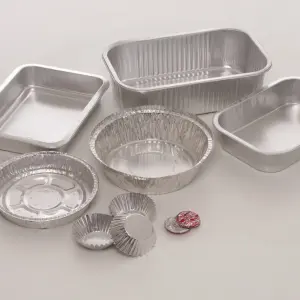
Trivium’s food-grade containers already come in a range of unique formats supporting convenience, sustainability and brand elevation. Premiumisation trends in food – especially segments like pet food, ready-to-eat meals and speciality nutrition – show that brands are willing to invest when shaping enhances functionality, sustainability or consumer experience.
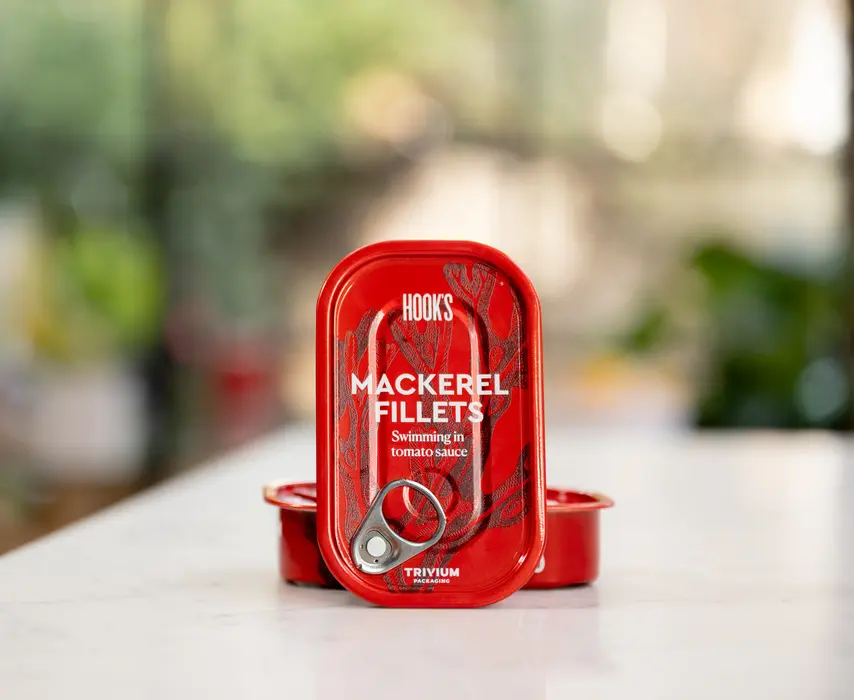
Shaping in food cans remains most common where differentiation drives clear value: pet food, speciality spreads, coffee and convenience meals. Image: Trivium
However, uptake varies by category. Shaping in food remains most common where differentiation drives clear value: pet food, speciality spreads, coffee and convenience meals. Broader adoption still leans toward higher-value or niche SKUs, but willingness to invest rises when shaping enhances convenience or portion control.
In which product category do you see the biggest opportunity in food can shaping?
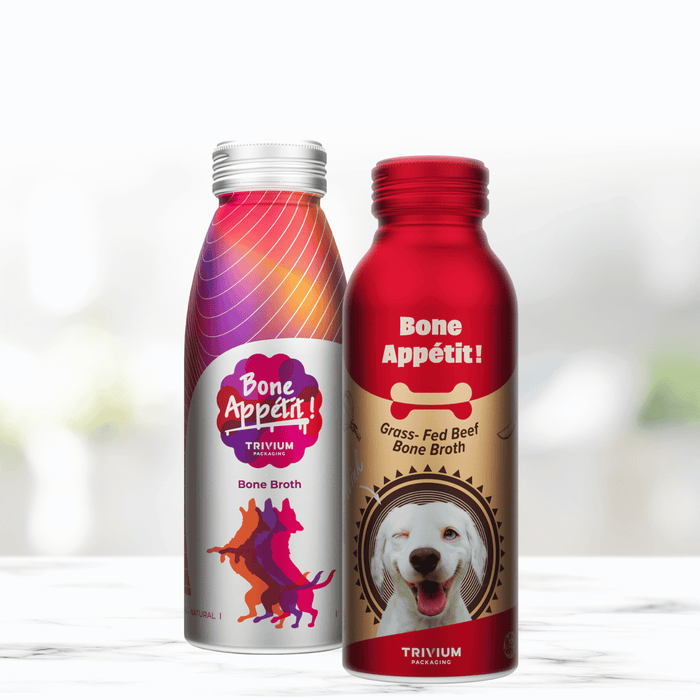
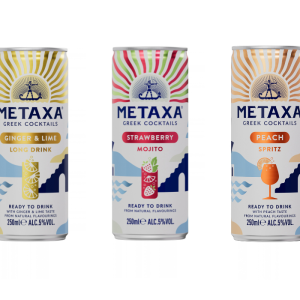
Threaded and ergonomic aluminium bottles remain a major driver of functional shaping and are driven by category norms as well as use case. Image: Trivium.
The strongest opportunities include: pet food and ready-to-eat meals – where convenience, premium feel and easy-open systems matter; coffee and dry nutrition powders – where Trivium already provides premium tinplate and aluminium solutions with valves, tactile finishes and shaped formats; infant nutrition and yogurt/RTD food hybrids – supported by Trivium’s R&D portfolio and shaping innovations such as nestable, full-aperture formats.
These categories undergo rapid SKU differentiation and can justify the value of premium metal packaging.
Do you see functional shaping gaining traction over purely aesthetic shapes?
Yes. Functional shaping is gaining significant traction, often paired with aesthetic shaping rather than replaced by it. Trivium’s innovation emphasis includes re-closable jar concepts, refill systems and direct-seal technology, indicating that value-added functionality drives customer engagement and line efficiency.
In beverages, threaded and ergonomic aluminium bottles remain a major driver of functional shaping and are driven by category norms as well as use case. For example, an on-the-go water should fit well in a vehicle’s cup holder. In aerosols, Trivium leads with technical enhancements like tactile graphical enhancements that improve grip, control and product delivery.
How do you balance increasingly complex shapes with lightweighting targets?
Trivium employs an eco-design approach within its sustainability framework – ensuring that shaping does not compromise material efficiency. The R&D process includes eco-design to assess sustainability impact, 3D mockups and line optimisation support to ensure manufacturability and structural integrity at minimised weights.
We leverage: advanced shaping techniques that maintain strength despite contouring; material science optimisation and sustainable alloy solutions; and impact-extrusion expertise that provides high strength-to-weight ratios.
This combination allows us to meet shaping ambitions while respecting sustainability targets.
What role does shaping play versus graphics now that digital printing is more accessible?
Shaping and graphics increasingly work together. Digital accessibility accelerates design cycles, but shaping remains a core differentiator – especially in crowded beverage and food categories where silhouette recognition matters.
Trivium provides graphics, speciality finishes and advanced printing techniques – metallic ink, matte/soft-touch, tactile effects, UV/thermochromic inks, etc, as well as full-body shaping capabilities creating packaging that stands out both visually and physically.
As digital printing options expand, shaping becomes even more complementary, enabling holistic brand expression through both tactile and visual identity. For many brands, graphics attract attention, while shape cements recognition and elevates perceived value.