Seeing through the aesthetics
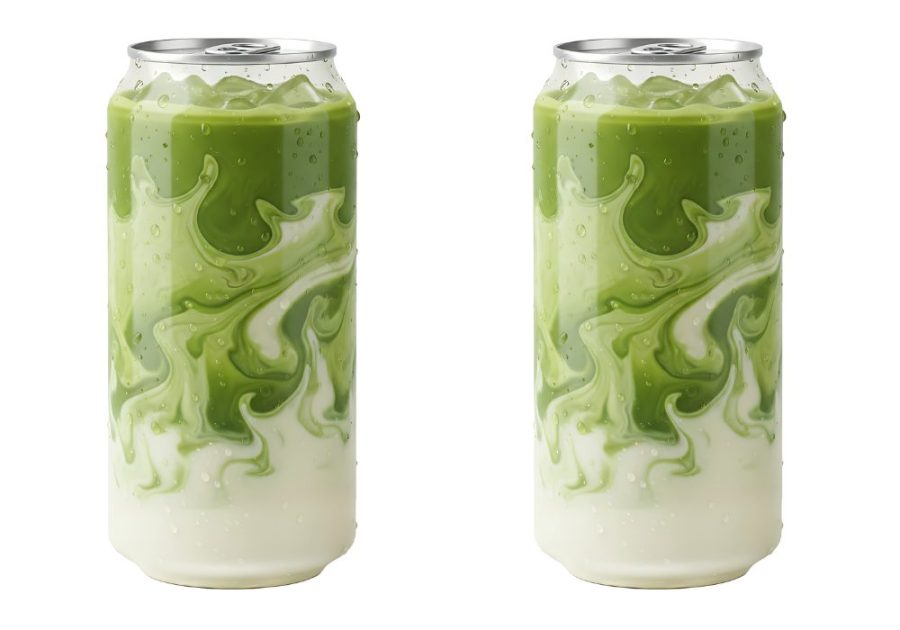
Matchas in clear cans are becoming increasingly popular, especially among smaller, local brands. Original image credit: Jittiwan/stock.adobe.com
This week I want to talk about the ever-growing popularity of ‘clear cans’ and just why brands are feeling the need to offer a packaging type that is not recycling friendly…
It’s not a new phenomenon – in fact I remember writing about some ‘creamy’ Japanese cans when I first took over as editor that were almost certainly made from a hybrid of plastic and metal – but this kind of packaging seems to be gaining even more traction in Western markets now too.
Looking through some product news recently, I came across US brand SVEDKA Vodka releasing what it calls the “world’s first transparent canned vodka water,” in a clear can. According to David Binder, the company’s senior brand director, “the transparent can [gives] consumers an immediate visual cue for exactly what they’re getting – something simple and clean in every sip.”
Quite why you need to see inside the can of this particular product doesn’t make too much sense to me – you’re looking at just bubbles, essentially.
BuzzBallz is another drinks brand – concentrated round clear cans containing cocktails – offering this ‘unique’ look. These at least have different flavours, but a metal body would work just as well at conveying the product inside, since it’s usually just one colour.
The ‘strongest’ products in clear cans, one could argue, are when the product inside contains syrups or requires some mixing. I’m thinking specifically of matcha drinks or coffees. One of the local cafes here in Gravesend near CanTech‘s office mixes up seasonal and limited edition flavours that sell brilliantly within the community it welcomes (commuters, bicycle, running, pilates and other fitness groups, mother and baby clubs and more). You have to admit, the drinks do look appealing: instagram.com/aero_bikeandbean (and see above).
The aesthetic element to these canned products is almost certainly driven by social media – influencers are snapping photos and creating videos with these products because they do look good, and admittedly, especially in the case of smaller, local businesses, a social media mention on a current customer’s story does help spread the word, increase visitors and therefore revenue. We can’t knock
But of course we all know the mammoth problem here: the clear can product in its current form is causing a recycling nightmare. The metal top cannot be easily separated from the plastic can body by a consumer, let alone at an MRF. It will be rejected from both material streams, even though both its components are meant to be recyclable. It’s a mess.
The packaging type has even been dubbed the “franken-can” by Cip Hamilton, plastics campaigns manager for the Australian Marine Conservation Society, which awarded the can its inaugural Unpackit prize.
So where do we go from here?
Obviously our metal packagers would love to see the back of the plastic option altogether. However, if it’s not going to be that easy, then the least the packaging producers and companies distributing these products can do is work together to create some sort of easy-to-separate solution. A way to twist off the metal top is the most logical thought here, but without proper seaming, leaks are all too high a possibility. If it was possible, then you’d need to signpost the separation method on the packaging, which drives costs higher.
However, if we look at other more successful examples in other packaging types, my thoughts turn to yogurt pots here in the UK, which now have a serrated edge along the cardboard sleeve, so consumers can easily peel this off and thus separate the plastic and card ready for their journey to the MRF.
It would definitely be far better for the circular economy to scrap the clear cans altogether and just package in metal, but the devil’s advocate argument remains that these products wouldn’t sell as well without the hybrid design – consumers wouldn’t be able to see themselves mixing the product inside, for example.
But logic needs to trump aesthetics, and, as an industry, we need to let brands and businesses know that metal cans overall make more sense for a sustainable, infinitely recyclable future for beverage packaging. Everyone, not just us, needs to know that that printing on metal has become so advanced it’s capable of creating, stunning, high-quality can designs, and if a brand wanted to mimic colour swirls or gradients, that this is entirely possible.
It’s not going to be an easy shift, but it’s definitely a necessary one.
We’d love to know your thoughts. Comment below how you think we can solve the ‘clear can’ dilemma, or alternatively, get in touch via the details below.
Alex Rivers (she/her), CanTech International editor
Keep in touch via email: [email protected], LinkedIn: CanTech International magazine or X: @CanTechIntl
Topics
clear cans material recovery facilities (MRFs) recyclable packaging
OrganisationsAero Bike + Bean BuzzBallz SVEDKA Vodka
Regions