BPA exposure could make girls fat
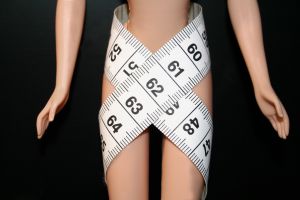
A new study claims BisphenolA (BPA) could make girls fat.
According to research BPA has the potential to impact on the metabolic processes and therefore increases the risk of obesity.
Human exposure to BPA is mostly through food sources from packaging and mainly the epoxy lining of metal food and beverage cans.
The study, published PLOS ONE an international peer-reviewed journal, looked at the levels of BPA in urine samples of children.
It specifically examined 1,326 students in grades four to 12 from three schools, one elementary, one middle and one high school all in Shanghai.
Total urine BPA concentration was measured and anthropometric measures were taken by trained research staff.
Information on risk factors for childhood obesity was collected for potential confounders. Age- and gender-specific weight greater than 90th percentile of the underlying population was the outcome measure.
After adjustment for potential confounders, a higher urine BPA level (≥2 µg/L), at the level corresponding to the median urine BPA level in the US population, was associated with more than two-fold increased risk of having weight >90th percentile among girls aged nine to 12 years-old (adjusted odds ratio (aOR) = 2.32, 95% confidence interval: 1.15–4.65).
The association showed a dose-response relationship with increasing urine BPA level associated with further increased risk of overweight (p = 0.006 for trend test).
However, the same association was not observed among boys, this gender difference of BPA effect was consistent with findings from experimental studies and previous epidemiological studies.
The report states, “Our study suggests that BPA could be a potential new environmental obesogen.
“Widespread exposure to BPA in the human population may also be contributing to the worldwide obesity epidemic.
“However, prospectively conducted studies with a clear time sequence between BPA exposure and obesity measurement, including long-term follow-up should be carried out to examine this important relationship.”
Read the full report by clicking here.