Sustainability in Brazil
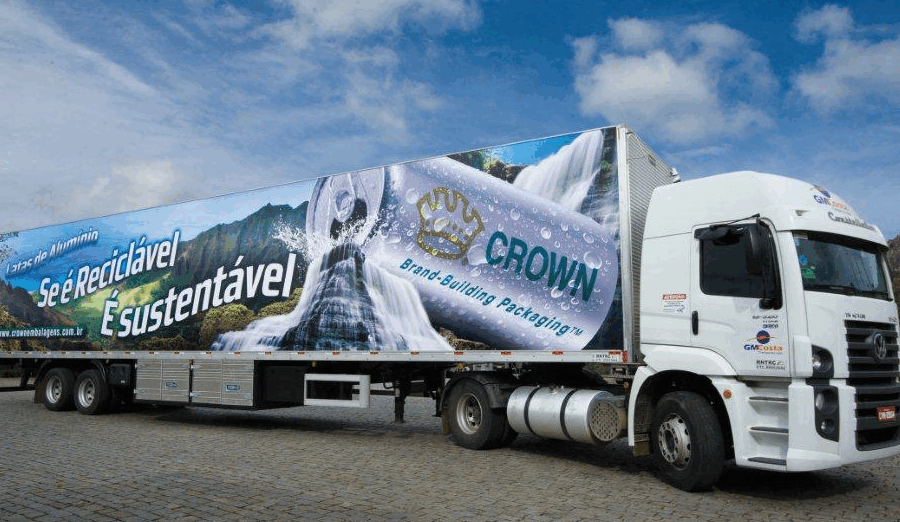
Eliana Monteiro, integrated management systems and industrial processes manager at Crown Embalagens Metálicas da Amazônia SA, reports on sustainability in the Brazilian market place.
Today, the term sustainability has become an integral part of our daily lives. From our increased efforts to recycle to our purchasing of energy efficient appliances, we as a society strive to follow sustainable practices. However, consumers only became closely familiar with the term comparatively recently – in 1992 when Rio de Janeiro hosted the first UN Conference on Environmental and Development (UNCED). It was only then that the term gained serious attention, not just in Brazil, but around the world.
The UNCED marked the first time that the international community collectively recognised each nation’s right to pursue the three pillars of sustainability: social progress, economic development and environmental protection. Since then, Brazil’s governing bodies and business community alike have been working together to expand our sustainability efforts. In 2012, to mark the 20th anniversary of the UNCED, international governing heads met once again to discuss the future of green economies and also an institutional framework for sustainability at a conference known as Rio+20. The global community has since agreed that the most significant outcome from Rio+20 was that it catalysed a global call to make sustainable development priorities central to global thinking and action.
From the perspective of Brazil as a country, the benefits created by confirmed guidelines regarding sustainable practices are two-fold and significant. First, by implementing steps to recycle materials and reduce energy usage, there is a decrease in the consumption of natural resources, which helps protect the environment as a whole. Second, there is a corresponding increase in the standard of living brought about by social and economic growth, which are entailed by the three pillars of sustainability. A higher standard of living affords society a corresponding higher purchasing power, creating a shift in consumer behaviour across multiple industries. People are able to buy large ticket items such as homes, cars and appliances while also seeking greater functionality and convenience in their everyday lives.
With this shift in consumer behaviour, popular brands are adjusting their activities accordingly and exploring ways to utilise sustainable company practices themselves. It is little surprise, therefore, that a recent study conducted by the business school at Fundação Dom Cabral, in Minas Gerais, indicated that 78 per cent of the 400 companies interviewed focus on sustainability when developing a business plan. At Crown, operating sustainably through effective management and resource conservation has always been our business philosophy, helping the company strengthen its business as it grows in existing and new markets. In 2011, Crown appointed Fernanda Costa as the division’s Environmental Engineer in Brazil, in which role she has led our operations to meet government regulations at the federal, state and city levels. She has also managed the implementation of sustainable standard practices across all five of Crown’s plants in Brazil, as well as meeting specific annual goals. For 2014, those goals include the reduction of water consumption and waste generation by 20 per cent; thanks to an effective wastewater treatment process in place, we are confident that that goal will be met.
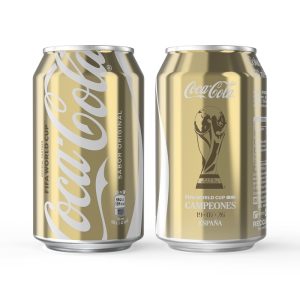
At the same time, because of the growing awareness and popularity of environmentally responsible practices, consumers are increasingly looking for products that adhere to those same sustainable standards. This has placed greater responsibility on brands to offer consumers products that are more environmentally responsible in their own right. In the beverage industry for example, changes in consumer behaviour have led to the increase in demand for aluminium beverage cans, which are to many the embodiment of sustainability. Two of the most critical advantages of metal are its abundance – Brazil being the third largest producer of iron ore in the world after China and Australia – and its recyclability. Metal beverage cans are 100 per cent and infinitely recyclable, with no loss of physical performance. To look at it another way, an aluminium beverage can be used, recycled and placed back on the shelf as a new can in around 34 days. Brazil has been the world leader in aluminium recycling since 2011, with most recent numbers reaching 97.9 per cent in 2012.
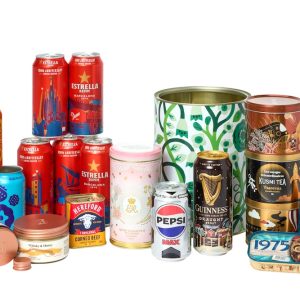
Crown is a leader in developing innovative packaging to meet customer demand while also being environmentally responsible. Our SuperEnd® beverage end is a great example of how the company was able to maintain the quality of the packaging while decreasing the amount of metal used during production by 10 per cent. In Brazil, in addition to its environmental efforts, Crown has also taken additional steps to improve social development in many of the communities in which it operates through the sponsorship of events, including youth futsal championships, after school dance classes and street running races.
Over the last twenty years, Brazil as a nation has made great strides towards improved sustainability. The cycle of efforts made by the government, companies and society to support the three pillars have brought many benefits to these same three segments. If companies and government entities continue to partner to also drive economic and social development forward – both through their manufacturing practices and their work to support local communities – then we can expect society as a whole to continue to follow that lead.