Circularity in action
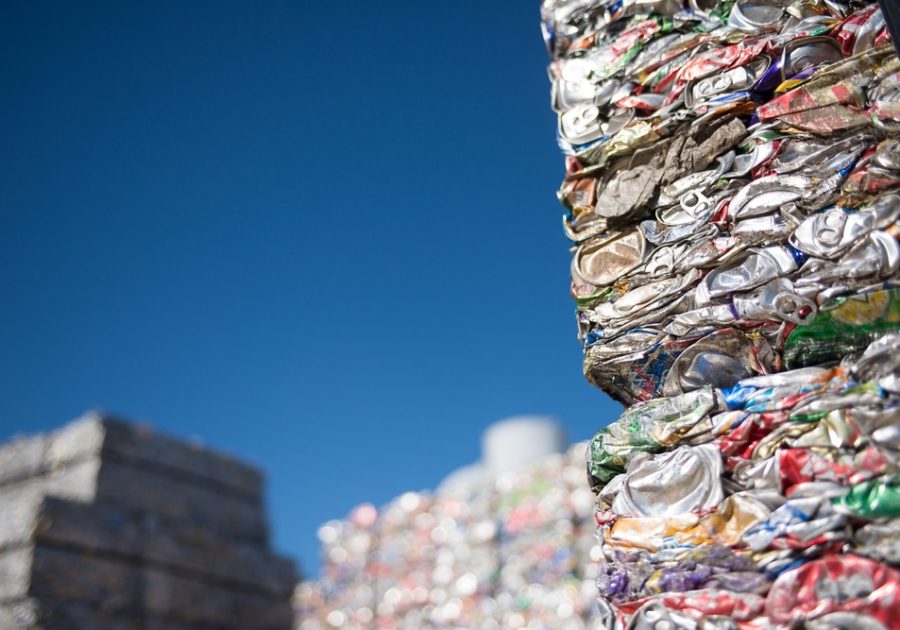
Image: Novelis
As manufacturers look to introduce more sustainable processes throughout their supply chains, closed-loop recycling has become a key strategy for eliminating waste and emissions. In a closed-loop, depleted products, such as aluminium cans, are melted and used to recreate the same product, reducing the need to refine new materials.
Aluminium already has a sophisticated closed loop recycling process and it produces 95% fewer emissions than harvesting new aluminium. However, the supply chain could be even more efficient if we tackled a few persistent gaps in the manufacturing and collection processes. The good news is that advancements in tech and policy offer promising answers for how we can flow more aluminium into the recycling stream.
Here’s what the lifecycle looks like now, why we must focus on strengthening it and how we can make it happen.
The can-to-can lifecycle
Can recycling is a textbook example of efficiency. A can that is recycled today can be back on store shelves in just 54 days.
Cans usually enter the recycling stream through one of two ways. In a deposit return system (DRS), consumers pay a small surcharge when purchasing a drink can or bottle that can be refunded when the buyer returns the container to a collection point. In one-stream kerbside recycling, consumers place all materials into a single receptacle, and the recycler sorts out paper, plastic, cans and glass. Aluminium manufacturers then purchase the cans from these material recovery facilities (MRFs).
Unfortunately, most cans end up travelling a third route: they get mixed with solid waste headed to landfills. Only ten US states offer DRS, and many cities and municipalities don’t offer one-stream recycling. We’ve also seen a recent dip in the number of cans reaching the recycling stream. Users only recycled 43% of US-shipped aluminium cans in 2023, down from an average of 52% since 1990, according to the Aluminum Association.
Why it’s important to promote aluminium recycling
Aluminium retains its properties through recycling, contributing to major energy savings. In fact, recycling aluminium uses just 5% of the energy required to produce new aluminium from primary materials. The Aluminum Association estimates a single new aluminium smelter requires as much energy per year as a city such as Boston or Nashville, and that electricity costs approximately $40/MWh, far more than the costs of building a new recycling facility.
Aluminium itself is also key in creating a circular economy. Aluminium cans have a higher recycling rate and contain much more recycled content than either plastic or glass beverage containers. The value of the aluminium cans collected in a typical consumer recycling bin exceeds the combined value of the steel, plastic, paper, glass and other materials in the bin, helping make municipal recycling programmes financially viable.
In addition, the lessons learned from new studies into closed-loop aerospace recycling, such as Airbus’ pilot of deeper traceability for aluminium scrap throughout its supply chain, can help us further refine how we collect and sort cans to contribute to the circular economy, protecting our planet and preventing resource depletion.
Finally, recycling efforts have measurable impacts on our communities. With stronger recycling programmes in place, less waste builds up in unsightly landfills and cans are less likely to end up harming wildlife. Programmes such as Habitat for Humanity’s can collection initiative place bins in public venues, which can then be used to fund the construction of affordable housing.
How we’re getting there
Efforts to expand aluminium can recycling are focused on enhancing the design for recycling, improving sortation and segregation technologies and consumer access to recycling programmes.
Today, cans are already a highly recyclable package, with the can body achieving higher than 90% recycled content, and can lids closer to the 50% threshold (for Novelis products). The reason for such disparity is that the alloy for the lid includes more magnesium and manganese for additional strength, and these alloying elements make it less suitable when entering the closed loop. To solve this, Novelis and our partner DRT are developing a “uni-alloy” design that creates can-ends from up to 99% recycled content without losing lid strength, reducing their carbon footprint by more than half.
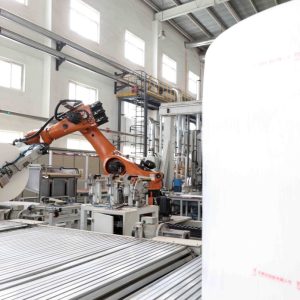
MRFs can help improve recycling rates, but with all types of recycled content entering the facility through a single stream, inefficient sortation processes often mean recyclable cans get lost. Tech solutions are helping MRFs find the needle in the haystack. Machine vision technology acts as another pair of eyes for workers as they identify and collect cans. Robotic arms can then collect materials and reduce strain on sorters. These processes are highly accurate, with one study finding that a waste analysis system detected aluminium cans with 91% precision.
A DRS approach often leads to much higher collection than one-stream kerbside recycling, as it incentivises citizens to bring their cans directly to a facility. Most states estimate a 10 to 20% collection rate, but rates in the ten DRS states boast a rate between 60 and 80%. That’s why aluminium manufacturers are endorsing more “bottle bills” at the national and state levels, encouraging broader DRS adoption.
The Container Recycling Institute estimates a national container deposit law could boost the national recovery rate to 85%.
Get involved
Novelis recycles 84 billion cans per year, which, if lined up, could circle the planet 250 times. But we recognise that small changes to how we design cans, coupled with greater recycling advocacy at the local, state and national levels, can amplify environmental and economic impacts. We’re investing in new technology and improving process efficiency to maximise the amount of aluminium entering the loop, and we encourage all consumers to get involved, too.
Take the time to learn your state’s recycling policies and look for opportunities to recycle whenever possible. Whether that’s maintaining a separate bin for cans in your home or office, or volunteering to take cans to a collection point once a month, your commitment can help us strengthen the closed loop.
Topics
aluminium deposit return scheme recycling technological advancement
PeopleOrganisationsAirbus Aluminum Association Container Recycling Institute DRT Habitat for Humanity novelis
Regions