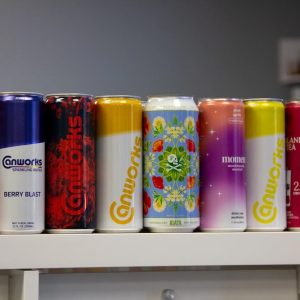
Alu cans still top sustainable choice
Aluminium cans are the most recycled and recyclable beverage container on the market and they are becoming even more sustainable according to a report by environmental research firm PE International. The report updates a prior life cycle assessment study released in 2010, and shows that an aluminium can made in the US and Canada today:
- Has improved its carbon footprint by 20 per cent and requires 14 per cent less energy to manufacture
- Contains 70 per cent recycled content on average in every can produced in the US, at least three times US Environmental Protection Agency estimates of the recycled content in glass (23 per cent) and plastic/PET (3 per cent) bottles
- Is 2 per cent lighter and remains the lightest beverage package option available. Less material means less fuel for transport and less waste, creating less environmental impact.
“This new data reinforces the tremendous sustainability advantages when consumers choose to enjoy their beverage of choice from an infinitely recyclable aluminium can,” said Heidi Brock, president & CEO of the Aluminium Association. “No other beverage package goes from the recycling bin back on the shelf in as few as 60 days – and now they are made using less energy and more recycled content.”
The new report was completed by environmental research firm PE International and updates a full life cycle assessment (LCA) study released in 2010 called Life Cycle Impact Assessment of Aluminium Beverage Cans. The updated data is based on a survey of can sheet producers and can manufacturers representing nearly 100 per cent of production in 2012 in the United States and Canada.
“Aluminium cans have always been the sustainable package of choice – and that’s truer today than ever before,” added Brock. “This is one reason we are seeing so many craft brewers and other brands with environmentally-conscious consumers choose cans. Cans are durable, lightweight and recycled everywhere – the perfect package for those with an outdoor lifestyle that care about preserving the environment.”
Topics
aluminium aluminum beverage cans cans carbon footprint ceo energy environment Lead news News plastic recycling study sustainability
OrganisationsRegions