Electrifying the future

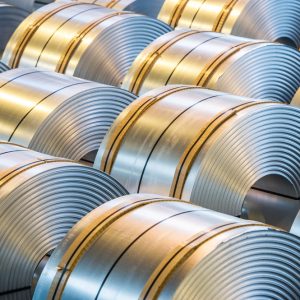
The EAF transformation will have wide-reaching effects for the packaging sector, particularly for can makers seeking to decarbonise their value chains. Images: Tata Steel UK
Nicola Jones, sustainability and circularity lead at Tata Steel UK, examines what Tata Steel’s Electric Arc Furnace transformation means for steel packaging.
Can makers are under increasing pressure to meet growing consumer and regulatory demand for more sustainable packaging materials. Steel, already one of the most recycled materials in the world, is now set to evolve further, with Tata Steel UK’s transformation enabling the production of low-carbon steel for packaging.
Tata Steel UK’s £1.25 billion transformation at Port Talbot, centred on the deployment of state-of the-art Electric Arc Furnace (EAF) technology, represents one of the most significant shifts in UK steel-making in decades. This transformation will have wide-reaching effects for the packaging sector, particularly for can makers seeking to decarbonise their value chains.
The technical shift
Conventional blast furnace-basic oxygen furnace (BF-BOF) routes dominate global primary steelmaking. These routes rely on iron ore reduction using coking coal, generating significant CO2 emissions.
In contrast, Electric Arc Furnaces produce steel by melting scrap or direct reduced iron (DRI) Electrifying the future using electrical energy, which allows for a dramatic reduction in carbon intensity, particularly when powered by renewable electricity.
The new EAF facility will increase scrap intake to approximately 2.5 million tonnes per year, drawing from the seven to eight million tonnes of steel scrap the UK currently exports.
This will enable packaging steels to be produced with at least 50 per cent recycled content, significantly strengthening the domestic circular economy for steel.
Scope 3 for can makers
For packaging producers and brands, the shift to EAF production directly supports Scope 3 emissions reduction goals. Scope 3 includes the embodied carbon of purchased materials, making decarbonised steel an increasingly valuable lever for meeting corporate science based targets.
Steel packaging is already recycled at higher rates than any other primary packaging material – 82 per cent in the EU according to latest Steel for Packaging Europe figures – but the ability to both use and recycle higher scrap volumes domestically creates a stronger closed material loop system, reducing upstream emissions and resource dependency.
Supporting industry transition
In parallel with the Port Talbot investment, Tata Steel UK has launched its Electrifying Packaging Steel campaign to support packaging manufacturers, FMCG brands, and retailers as they navigate material selection in a more carbon-conscious marketplace.
For can makers, this development provides a route to lower-carbon packaging steels without sacrificing the performance attributes that steel uniquely offers barrier integrity, durability, formability and full recyclability.
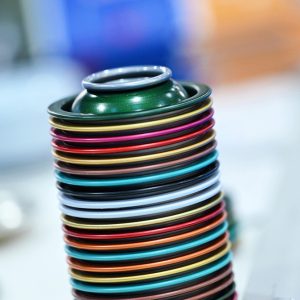
Through EAF, can makers will still receive packaging-grade steels that continue to meet AA+ food safety standards, offer the same reliable performance in deep drawing, two-piece can manufacturing, and pressurised containers such as aerosols.
The introduction of EAF steel packaging will accentuate the inherent green properties of steel, which is infinitely recyclable and easy to retrieve from the waste stream due to its magnetic properties.
Era-defining technology
Tata Steel UK’s EAF transition marks more than a production technology upgrade – it represents a fundamental repositioning of steel’s role in the low-carbon economy. By integrating advanced scrap-based melting with established refining and casting expertise, the company is delivering technically robust, high-quality packaging steels that directly support decarbonisation across the packaging value chain.
As global regulatory and customer pressure for circular, low embodied-carbon packaging accelerates, electrified steelmaking will be a critical enabler. Through this transition, Tata Steel UK is not simply electrifying steel, it is helping to future-proof by providing low-carbon steel packaging for can makers, for decades to come.
Topics
decarbonisation EAF technology material circularity recycling steel UK metal packaging industry
PeopleOrganisationsRegions