Banning the bin
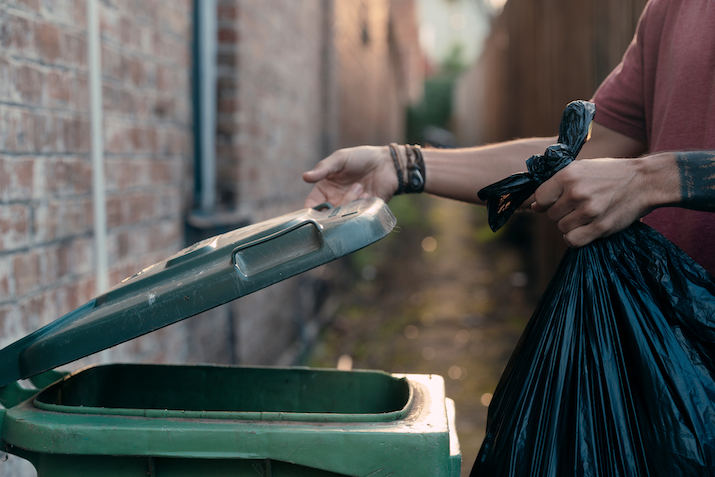
Image: Shutterstock
Environmental solutions group, A Plastic Planet, is calling for a ban on household bins in the UK by 2030.
Writing on opinion website, Comment Central, Sian Sutherland, the group’s co-founder, says improvements to recycling collection rates – up from eight per cent to 44 per cent in the last two decades – cover up continued failure to actually recycle the waste collected.
Sutherland argues that a ‘waste revolution’ is needed where people abandon bins altogether in favour of a re-use model. Her call comes as polling commissioned by A Plastic Planet found that more than three quarters (76 per cent) of Brits would return their packaging to shops if it was easy to do so.
The survey of 2,000 UK adults, conducted by Yonder, also found that nearly three quarters (74 per cent) want governments to force industry to create products and packaging that can be reused rather than ending up in a bin.
A Plastic Planet says a reduction in plastic production, a shift to natural alternatives and circular reusable packaging systems are essential to tackle the plastic crisis.
In her opinion piece, Sutherland says: “We throw waste away into one of three or more bins and never think about it again, trusting it will have a good end. But there are countless reports of UK waste that we think will be recycled actually being shipped off to faraway lands or just incinerated, all producing toxic chemicals that pollute our planet and poison our bodies.”
“The black bin bag should be seen as our symbol of shame: the embodiment of our take, make and throwaway culture.
“I have come to a conclusion many people won’t like: it’s time to ban the bin. Government could put industry on notice that there will be no more “general waste” collections at all by 2030.
“We should only collect stuff that is actually going to be recycled in the UK – food waste and some materials, but all other non-recyclable items would have to be produced on a re-use model.”
I have a huge amount of respect for the campaigning Sutherland undertakes. Her suggestion may seem radical to some, and while there’s definitely a long way to go before businesses could begin working toward such an implementation, the change could be remarkable.
However, as is always the case, education is the most crucial thing here. Without simple, clear to follow guidance, and a lot of information leading up to 2030, consumers could simply panic about the idea of scrapping general waste bins, and this could lead to potentially more contamination in the collection material.
The UK government has proposed that every household doubles its number of bins from three to six, with separate glass, metal (cans and tins), plastic (bottles and trays), paper and card, food waste and garden waste. If the government is to lead the way on this, not only do they have to instruct the industry, but their task will also be to begin the change in consumer mindset in an intelligent way. Nobody is going to switch their opinion on recycling and circular systems overnight, as the metal packaging industry knows all too well.
I would like to ask our readers what they think of this idea and the complexities involved? Do you think it’s a good idea to scrap general waste bins? Let us know.
- Alex Rivers (she/her), CanTech International editor
Keep in touch via email: [email protected] Twitter: @CanTechIntl or LinkedIn: CanTech International magazine.